Picture this.
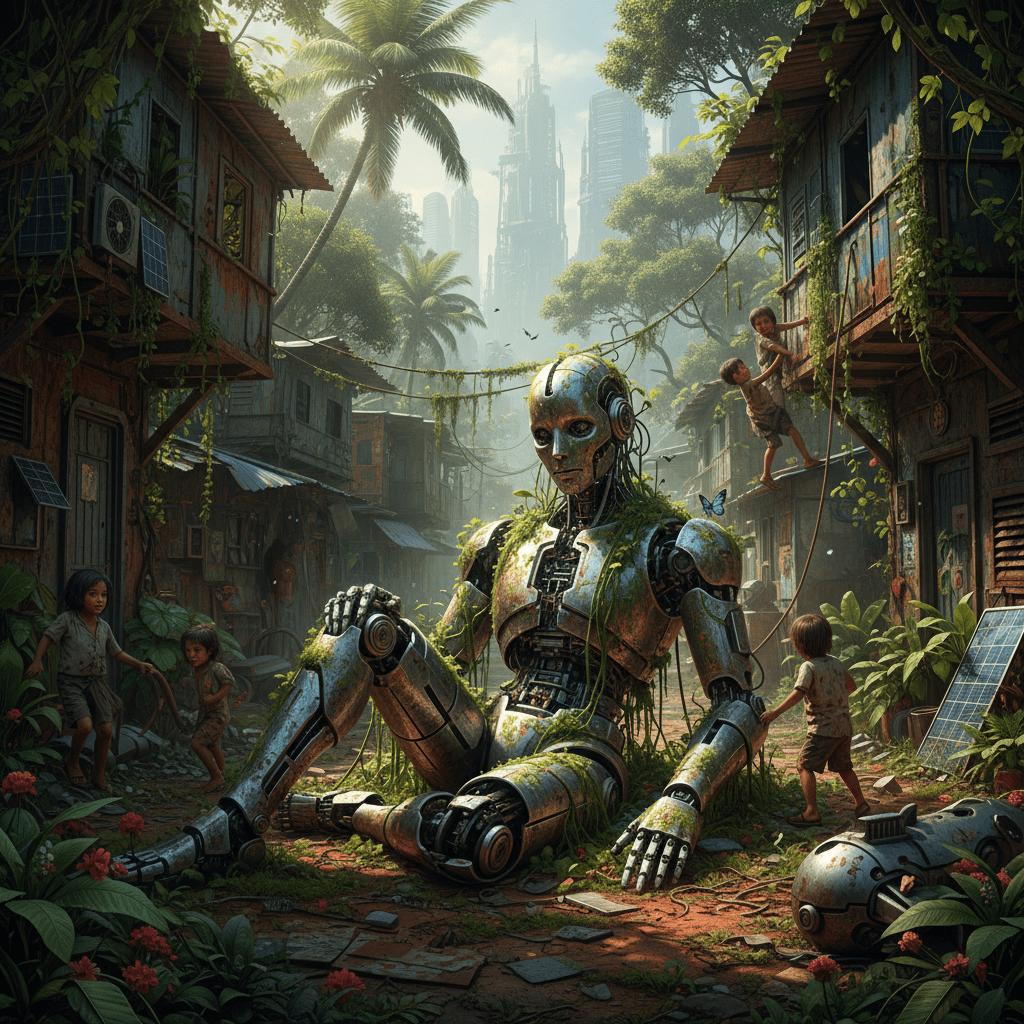
A digital obituary.
Not for a person… but for a platform.
Orkut
Born: 2004
Passed: 2014
Cause of death: Fell behind… and got replaced
Orkut lived a full life.
Well… a fast life.
In its prime, it wasn’t just popular, it was everything. Especially in Brazil, where it wasn’t uncommon for Orkut to feel less like a website and more like a daily routine. At one point, about 90% of its traffic came from there.
It connected classmates.
Reunited old friends.
Created communities for just about anything you could think of.
And honestly?
It made people feel like they belonged.
A Life Built on Connection
Orkut was ahead of its time in a lot of ways.
Before “community building” became a marketing strategy, Orkut was already doing it naturally. People didn’t just log in… they joined.
Communities exploded, over a million of them within a year.
- Schools
- Neighborhoods
- Interests
- Random niche groups you didn’t know you needed
It gave people a space to interact, not just observe.
And if we’re being real, that’s what people have always wanted from social media.
Not just content.
Connection.
The Golden Years
Orkut had a certain energy to it.
There was a little competition; who had more friends, who was rated more “cool” or “trustworthy” and even “sexy”.
There was curiosity; joining groups, finding people, exploring.
There was trust; people actually listened to recommendations from others in their communities.
It worked because it fit the culture.
Especially in Brazil, where social interaction is a huge part of everyday life, Orkut wasn’t forcing behavior, it was enhancing it.
And that’s something we’ve talked about a lot in this course.
The best platforms don’t change people.
They fit into what people are already doing.
The Slow Decline (We Didn’t Notice at First)
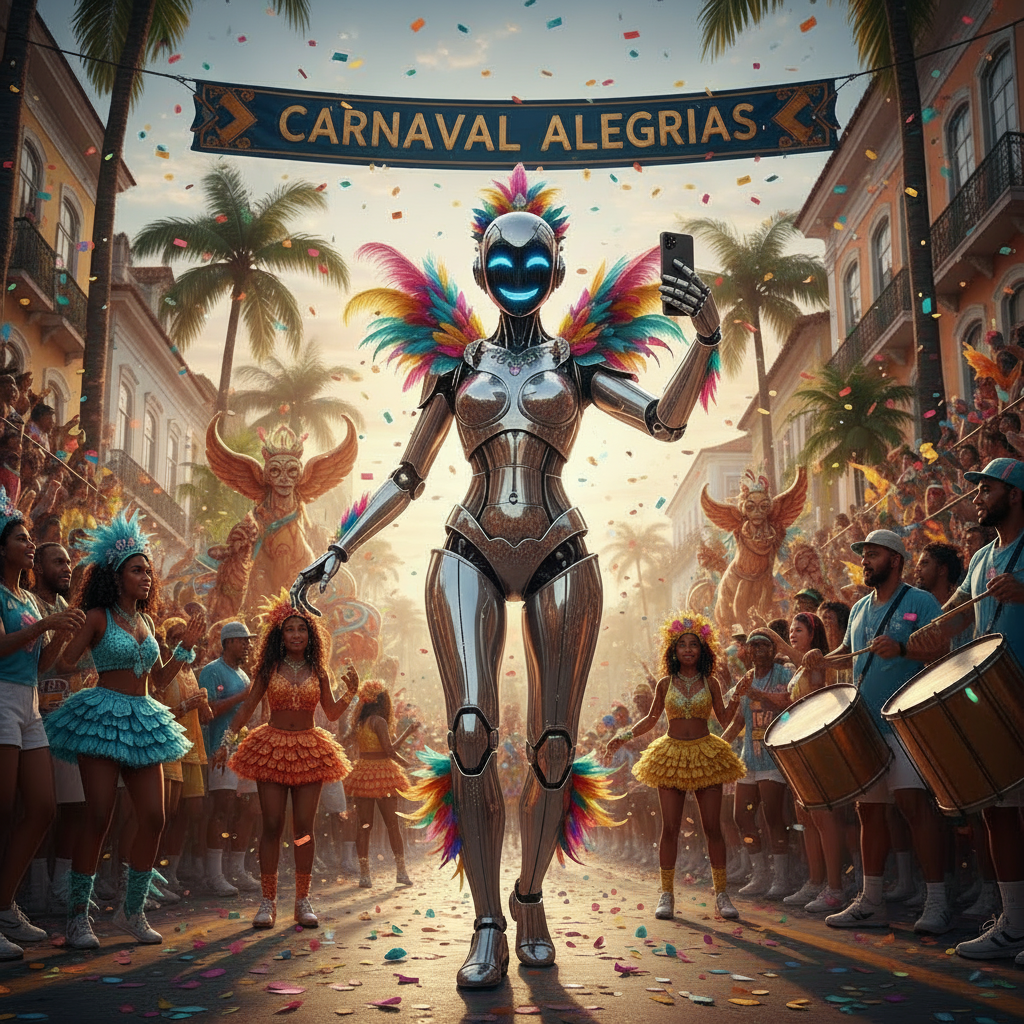
Like most things that fade out… Orkut didn’t disappear overnight.
It just started… slipping.
Pages got slower.
Features felt limited.
Sharing content wasn’t as easy anymore.
At the same time, other platforms were showing up with:
- faster experiences
- better photo sharing
- more flexibility
- fewer restrictions
And people noticed.
Not all at once.
But enough.
Time of Death: When “Good Enough” Wasn’t Enough Anymore
Here’s the honest part.
Orkut didn’t die because people stopped wanting connection.
It died because it stopped delivering it well enough.
And in social media, “good enough” has a very short shelf life.
People don’t sit around waiting for platforms to improve.
They move.
Quickly.
Quietly.
And all at once.
A Hard Truth (That Honestly Feels Very Familiar)
This is the part that stuck with me the most.
People get bored.
Not because something is bad…
But because something new shows up.
Something faster.
Easier.
Shinier.
And suddenly, what used to feel exciting… feels outdated.
It’s not always about failure.
Sometimes it’s just about timing and attention.
And attention?
It doesn’t stay in one place for long.
What Orkut Left Behind
Even though Orkut is gone, it actually taught us a lot.
It showed that:
- community matters more than content
- culture shapes how platforms succeed
- and user experience is everything
But maybe the biggest lesson is this:
You don’t lose people all at once.
You lose them when you stop keeping up.
Final Words
Orkut was loved.
It was used.
It was talked about.
It was part of people’s daily lives.
And then…
It wasn’t.
No big goodbye.
No dramatic ending.
Just a quiet shift to something new… The slow fade.
Rest in Peace, Orkut
You connected millions.
You built communities before it was trendy.
You showed us what social media could be.
But in the end…
You were replaced by the next best thing.
One last thought…
If a platform that once dominated an entire country can disappear…
What does that say about the platforms we use today?


 Sabrina's Strategic Media Perspectives
Leave a comment