Remember when timelines filled with mysterious colors that made absolutely no sense unless you were in the know?
Not pink ribbons.
Not survivor stories.
Just… colors.
“Sarah, blue.”
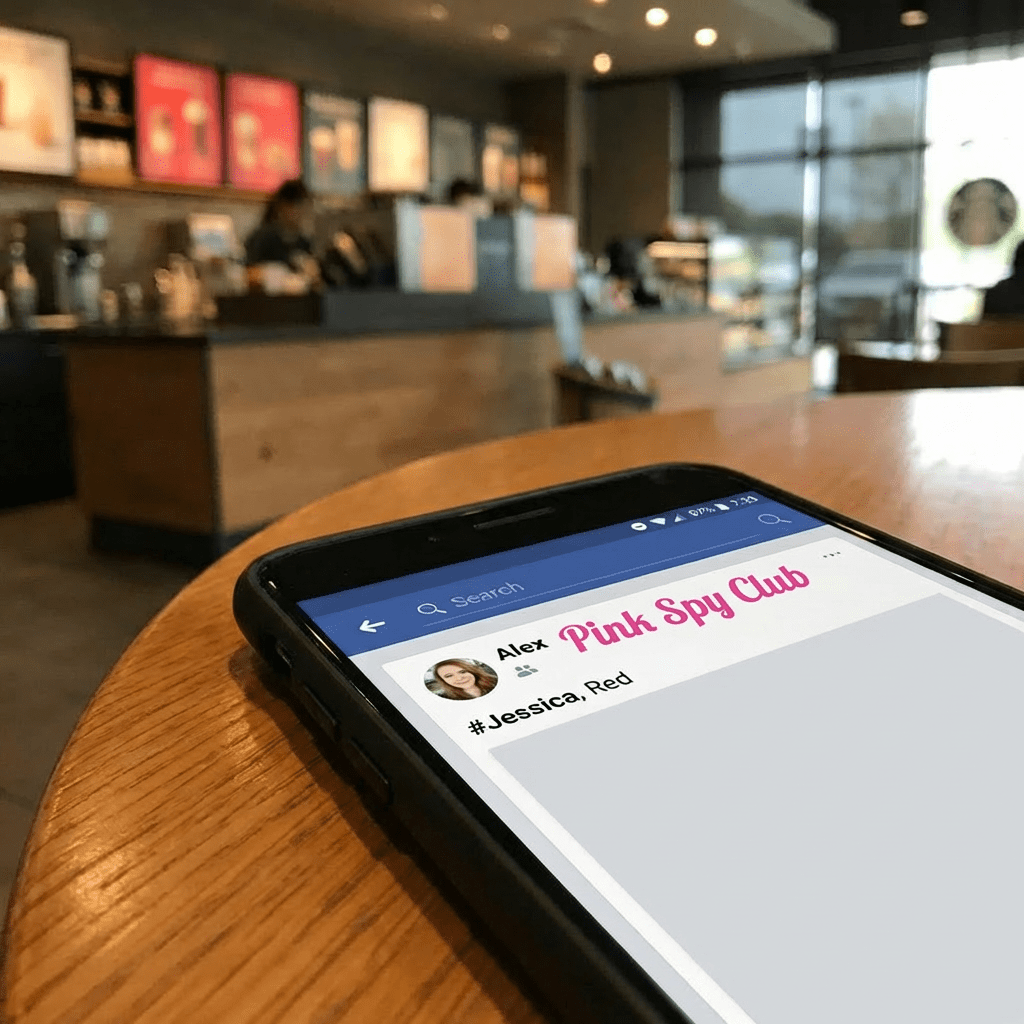
“Jessica, red.”
“Melissa, black.”
If you were on Facebook during that time, you probably remember when the feed started looking like coded messages were being passed in plain sight.
No explanation.
No context.
Just women everywhere posting colors like they were reporting coordinates.
Meanwhile, men logged in like:
“…did I miss a memo?”
Because they did.
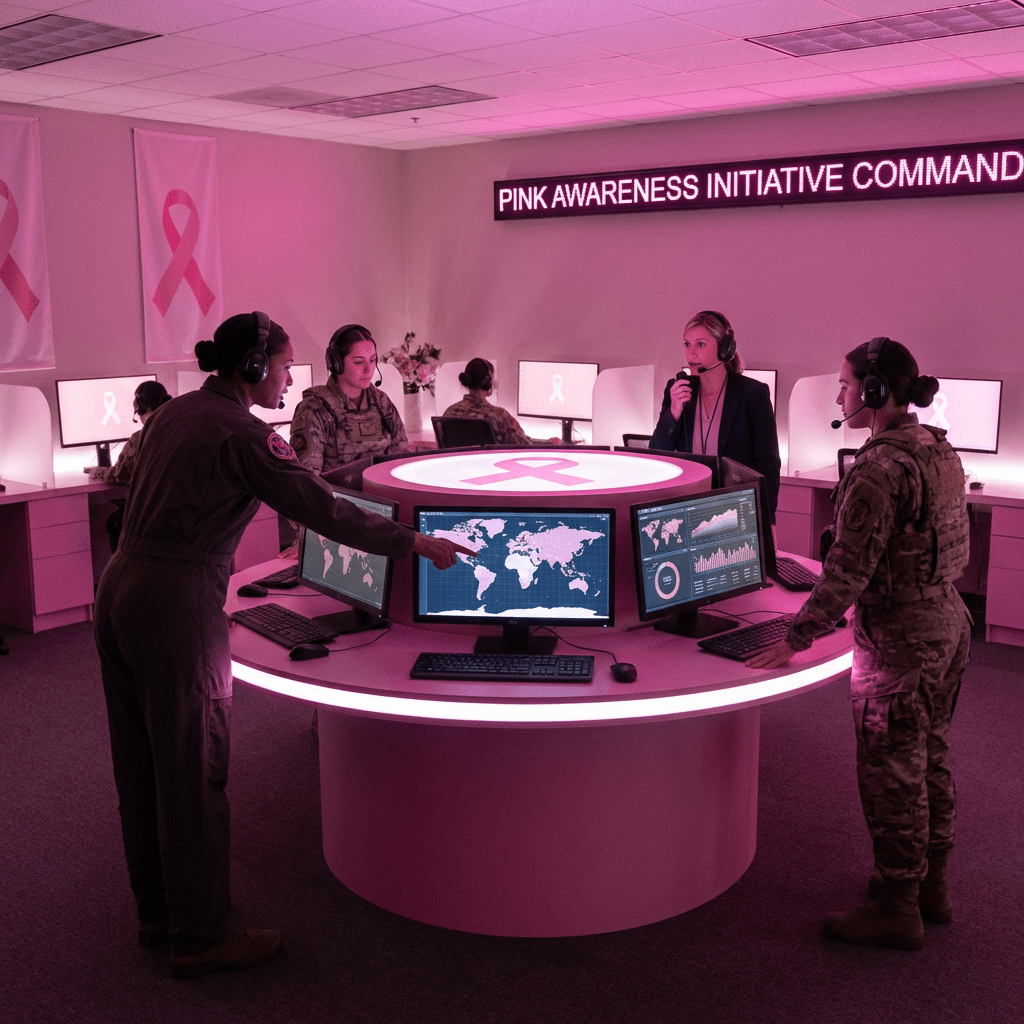
Women had quietly formed what can only be described as an underground, pink-coded secret squirrel network. We posted our mysterious colors, watched confusion unfold in the comments, and followed one simple rule: post the color of your bra, tell no men, let curiosity spread. We were basically running a covert awareness mission out of minivans and cubicles.
And honestly? It was delightful.
There was this playful sense of we’re all in on this. Confused comments. Whispered DMs. It felt mischievous and weirdly bonding, like passing notes only certain people could read.
Which is exactly why it spread so fast.
Why It Went Viral
The meme had everything social media loves:
- personal but effortless
- emotional but light
- secretive but shareable
- tied to a meaningful cause
- Mischievous hidden message
It let people signal: I care about breast cancer.
Without saying anything heavy.
And for many people, breast cancer is heavy.
A mom in treatment.
A friend in remission.
Someone lost.
So posting felt like doing something.
Like wearing a tiny digital ribbon.
But looking back now:
Was it awareness… or just participation?
When Awareness Stays Online
Those memes were everywhere, yet they rarely told anyone:
- how to check for symptoms
- where to donate
- how to support patients
- how to volunteer
- that men get breast cancer too
They created buzz, not understanding.
Visibility, not action.
That’s the key lesson:
sharing is not the same as helping.
Social media makes participation feel meaningful, even when nothing changes offline.
The Part That Hits Survivors Differently
For someone who has lived through breast cancer, the experience isn’t pink or playful.
It’s hospital bracelets.
Radiation.
Chemo effects.
Scan anxiety.
So when awareness becomes vague or cute without connection to real support, it can feel disconnected.
Not offensive.
Not malicious.
Just thin compared to something deeply human.
The intention was kind.
The impact was small.
What Real Mobilization Could Look Like
The interesting part is this: the meme revealed something powerful. People want to participate. They want to care publicly. They just need a bridge from feeling to action.
So imagine if that same viral energy had been used differently.
Mission: Walk It Together
Events like the Susan G. Komen 3-Day walk turn awareness into shared action. People train, fundraise, and show up together for survivors and families, making support visible in the real world, not just the feed.
👉 https://www.the3day.org/site/SPageNavigator/what_is_the_3_day
Share a Story, Not a Secret
Instead of a color, share who you’re fighting for. A name, photo, or memory builds real empathy.
👉 https://www.nationalbreastcancer.org/breast-cancer-awareness-month/
Pair Posts With Action
Awareness should always point somewhere: donate, learn, volunteer, schedule screening.
👉 https://www.breastcancer.org/about-breast-cancer/breast-cancer-awareness-month
Include Everyone Affected
Breast cancer also affects men, families, and caregivers.

👉 https://www.cancer.org/involved/fundraise/men-wear-pink.html
What This Meme Taught Me
Because I wasn’t very active on social media back then, I probably would have missed the Pink Spy Club memo entirely, and I know I’m not the only woman who wasn’t refreshing Facebook hourly. But if I had seen it, I may have joined without thinking. It felt mischievous. Communal. Like awareness.
Now I see the gap.
Social media is great at making us feel helpful.
Less great at making us be helpful, unless campaigns are built for action.
Breast cancer awareness doesn’t need more mystery posts.
It needs more movement.
Final Thought: Reassigning the Pink Spy Club
If someone you love has faced breast cancer, you know awareness isn’t abstract… It is deeply human.
The Pink Spy Club proved something remarkable: women can coordinate instantly when something matters. No marketing team. No planning committee. Just networks and trust moving at social media speed.
So what if that same spy network had a new mission?
Instead of coded colors, imagine a new signal:
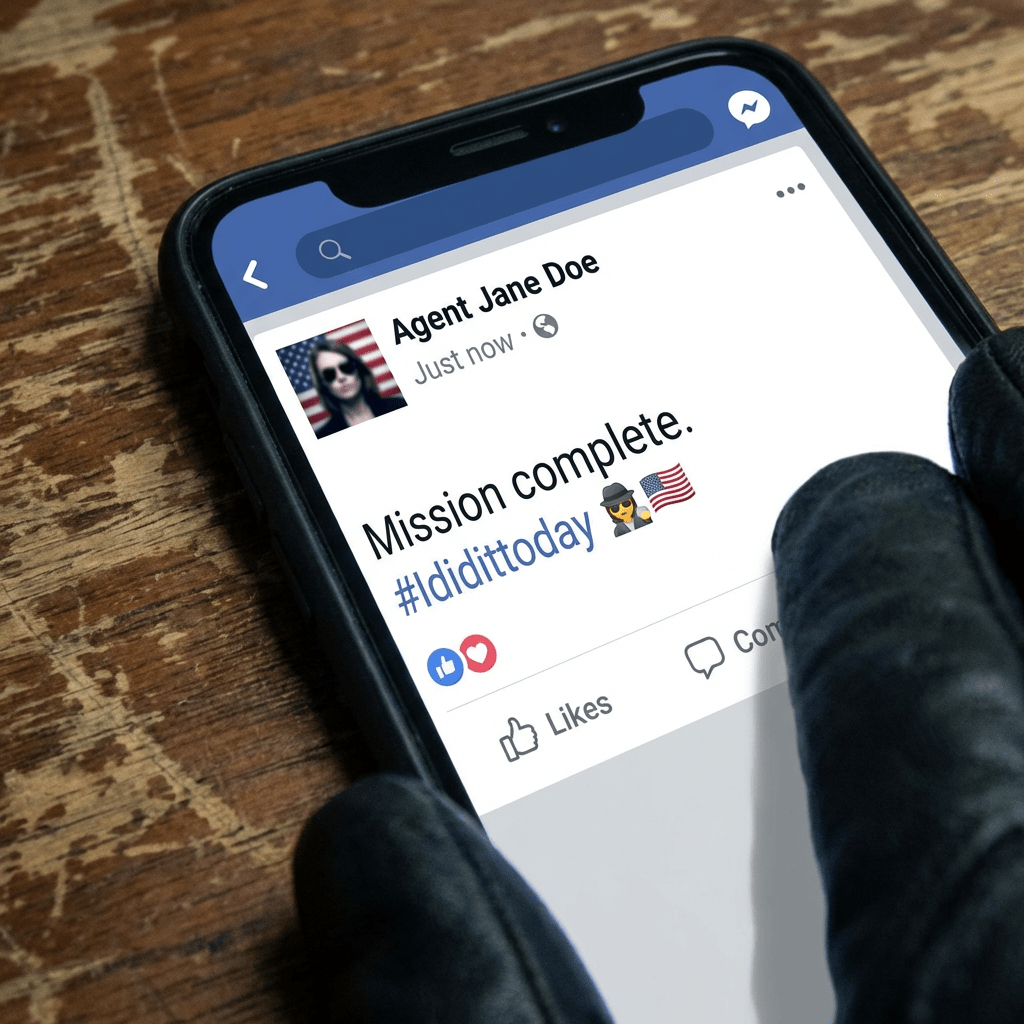
“I did it today.”
No explanation.
Just a slightly mischievous, playful post.
“I did it this morning.”
“I did mine with a friend.”
“I finally did it.”
Then the private message spreads:
It’s for breast cancer awareness.
It means you did something real; screening, donating, walking, supporting.
Post yours. Don’t explain yet. Pass it on.
Timelines fill with curiosity again.
But this time the reveal matters.
Because “I did it” means:
- I booked a screening
- I donated
- I registered to walk/ run
- I supported someone
- I volunteered
Same spy energy.
Real-world impact.


 Sabrina's Strategic Media Perspectives
Leave a comment